If a major incident involves our community, it will be at least 12 hours before state officials – and 36 hours before federal resources – are able to arrive and assist in rescue and recovery efforts. Local crews may be tied up with high-priority situations and unable to reach everyone who needs help immediately. Therefore, we want our citizens to know how to care for themselves and their families immediately after a disaster.
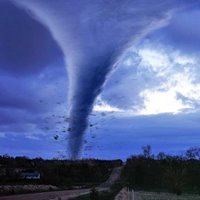
Disasters fall into two categories: Natural disasters like floods, thunderstorms, tornadoes, winter storms; and technological/man-made hazards such as hazardous materials incidents, national security issues, terrorism, chemical and biological weapons, and nuclear or radiological attacks.
It is every citizen’s responsibility to prepare his or her family to deal with these hazards. At a minimum, a family should have a disaster plan and a disaster kit.
Specific information on how to prepare your family for each of these disasters can be found at http://www.fema.gov/preparedness/ or http://www.ready.gov/. Strongsville Fire and Emergency Services has developed a brochure, A Guide To Preparedness, to help residents prepare for a disaster situation. You may also stop by the police department or main fire station for a free FEMA preparedness guide.
The first step should be to sign up for Ready Notify, Cuyahoga County's emergency alert network. You can receive notifications by text, phone or e-mail about emergency events, closures, water boil alerts and other local news. NOTE: As of March 2019, EVERYONE is asked to register with Ready Notify as the county has switched to a new provider, CodeRED. Even if you were already signed up and received alerts, please re-register.
Make Your Disaster Plan
Creating a disaster plan is one of the most important steps you can take in preparing for the potential disasters that could occur in our community. It is vital that every member of the household knows how to handle each emergency with special consideration given to children, the elderly, and the disabled. Each household should designate two family meeting places; one in the immediate vicinity of the home and one outside the neighborhood in case you cannot return home. Also, a relative outside of the area should be designated as a contact person in case communication is difficult within the disaster area. Every family should take the time to make a floor plan of their home designating two escape routes from each room and marking the location of all utility shut offs. It is also wise to be trained in basic first aid and CPR. Additionally, families should take certain precautions to reduce their economic impact of the disaster on their property and financial well-being. These precautions include making sure insurance policies are adequate and up-to-date, know how to turn off your gas, water and electric utilities, have some cash stored in a safe place at home, and have a reserve of medications and needed health equipment.
Disaster Supply Kits
As a major disaster will quickly overwhelm local resources citizens might need to survive on their own for several days and shelter in place. Your disaster kit should include the following:
- Drinking water, at least 1 gallon per person per day
- Food supplies including dry, canned, or other staples (examples: ready-to-eat meats, fruits, and vegetables; canned juice, milk, and soup; peanut butter, crackers, or granola bars)
- Can opener
- First aid kit including prescription and non-prescription medications
- Tools and emergency supplies (portable, battery powered radio, flashlight and extra batteries, matches/lighters, miscellaneous small hand tools, duct tape and plastic sheeting, whistle, fire extinguisher)
- Liquid bleach for disinfection puposes and to treat drinking water
- Personal hygiene supplies
- Personal identification and important papers; such as: birth certificates, social security cards, marriage license, inventory of household items, insurance papers
- Change of clothing for each member of the family
- Small entertainment items for children